

How much does it cost to start a clothing brand in Africa? Learn about the key investment factors and strategies to build a successful fashion business.
Why Africa is a Great Place for a Clothing Brand


Africa offers a range of advantages for fashion entrepreneurs, making it a fertile ground for launching a clothing brand:
Local Materials
Africa is rich in natural materials, such as cotton, wool, and leather, which are sustainably sourced for fashion production. Nigeria, for example, is one of the largest cotton producers in Africa, providing a local supply chain for brands that use natural fibers.
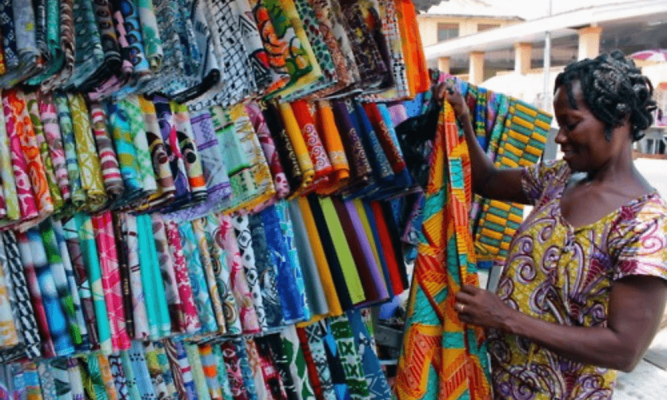
Designers often work with indigenous textiles like Ankara, Kente, and Shweshwe, offering a unique selling point that appeals to both African and global markets.
Skilled Artisans
The continent boasts a wealth of skilled artisans who specialize in traditional crafts like beadwork, embroidery, and weaving. These craftspeople bring a level of craftsmanship that makes African fashion stand out.
Countries like Ethiopia are known for their intricate leatherwork, while the Maasai beadwork of Kenya has been incorporated into high-fashion pieces by international designers.
Growing Consumer Demand
Africa has a young, growing population with increasing disposable incomes. Many of whom are fashion-forward and eager to support homegrown brands.
This demand for locally made products is also fueled by a rising sense of African pride and the desire to support local economies.
Detailed Cost Breakdown for Launching a Clothing Brand


The costs involved in launching a clothing brand range from minimal to substantial, depending on the scale, resources, and business model you choose.
Below is a comprehensive breakdown of the various expenses that new clothing brands typically encounter, categorized by the key elements of brand development and operations.
| Category | Cost Range | Notes |
| Business Registration | $7 to $110 | Costs for registering a business and trademarking brand name/logo. |
| Material Sourcing | $5 to $15 per yard (local fabrics) | Costs vary by material type (e.g., cotton, silk, traditional fabrics). |
| Production Space | $1,300 to $3,900 per year (small factory) | Depending on the location and size of the production space. |
| Labor Costs | $75 to $420 per month (skilled workers) | Monthly wages for tailors, artisans, and garment workers. |
| Machinery and Equipment | $500 to $10,000+ | Investment in sewing machines, cutting tools, and other production needs. |
| Marketing Costs | $25 to $2,650 per campaign | For social media ads, influencer marketing, or digital campaigns. |
| E-commerce Website | $2,000 to $20,000 | Website development, user interface design, and e-commerce functionalities. |
| Packaging and Branding | $300 to $1,000 | Design and production of packaging materials (boxes, bags, labels, etc.). |
| Inventory Storage | $200 to $670 per month | Costs for warehousing or storage facilities. |
| Shipping and Logistics | $50 to $500+ per shipment | Depends on the size of shipments, shipping methods, and destination. |
Key Factors Impacting Costs
- Material Sourcing: Local fabrics tend to be more affordable than imported materials, but the cost varies depending on fabric quality and type. Sustainable or eco-friendly fabrics may come at a premium.
- Labor and Production: Labor costs for skilled workers such as tailors or artisans can vary based on experience and the local wage market. Investing in quality machinery for in-house production can reduce long-term costs.
- Marketing: Digital marketing costs vary widely depending on the scope of the campaign. Using social media platforms or influencer marketing is an effective way to build brand awareness without overspending.
- Branding and Packaging: Costs for branding include everything from logo design to packaging materials. High-quality, sustainable packaging can increase costs but also adds to brand value.
- E-commerce: For online brands, building an e-commerce platform requires initial investment, especially for secure payment systems and user-friendly design. Maintaining the website, managing digital ads, and offering seamless user experience are key to success.
Initial Costs: Small vs. Large-Scale Clothing Brand
Launching a clothing brand requires careful consideration of initial costs which can vary greatly depending on the scale of the business.
The table below provides a detailed comparison of the initial costs for small vs. large-scale clothing brands, helping you make informed decisions based on your business model.
| Category | Starting Small (Home-based/Boutique Store) | Large-Scale Operations (Retail or E-commerce) |
| Investment Range | $500 to $5,000 | $50,000 to $150,000 (Physical Store) or $2,000 to $20,000 (E-commerce) |
| Overhead Costs | Minimal (no rent, low utilities) | High (rent, utilities, staffing, interior design) |
| Material Costs | $300 to $1,000 for local materials like Ankara (Nigeria) or Kente (Ghana) | Large-scale purchases, bulk ordering, higher variety of materials |
| Production and Inventory | Limited stock, small-batch production, or custom/pre-order models | Large inventory, need for warehousing, extensive production |
| Sales Channels | Online platforms like Instagram or Etsy, direct-to-consumer sales | E-commerce website or physical retail store with global shipping options |
| Marketing Costs | Low-budget digital marketing or organic growth via social media | $500 to $5,000/month for digital marketing (SEO, social ads, influencer marketing) |
| Success Stories | Tongoro (Senegal), Maxhosa Africa (South Africa) | Orange Culture (Nigeria), Studio 189 (Ghana) |
| Cost-Saving Strategies | Self-designed collections, home production, outsourcing to local artisans | Bulk discounts, economies of scale, digital marketing automation |
| Expansion Costs | Typically stays local or regional | $200,000 to $1 million for multi-location stores or international expansion |
Profit Potential and Revenue Streams
Profit margins in the clothing industry vary depending on factors such as production costs, sales channels, and market positioning. Most clothing brands aim for a markup between 50% and 100%.
This means that if an item costs $10 to produce, it can be sold for $15 to $20. For premium or luxury brands, markups can exceed 200%, particularly when using high-quality materials, unique designs, or incorporating artisanal craftsmanship.


